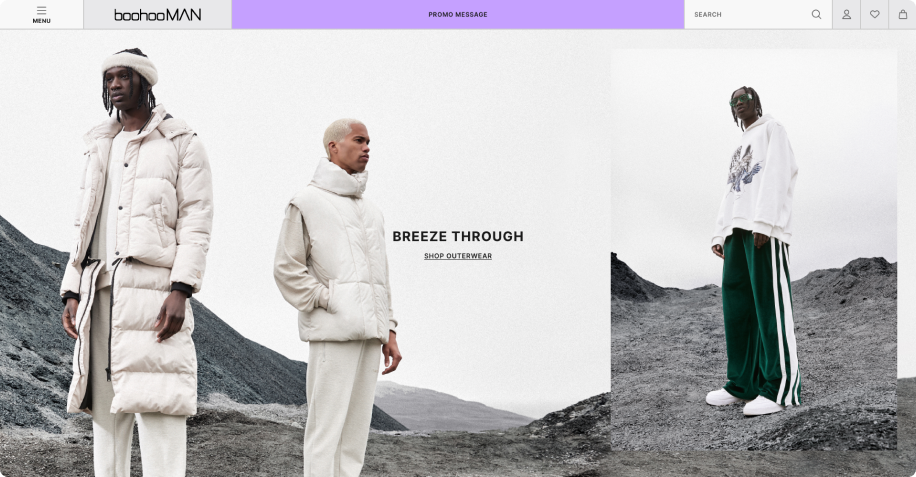
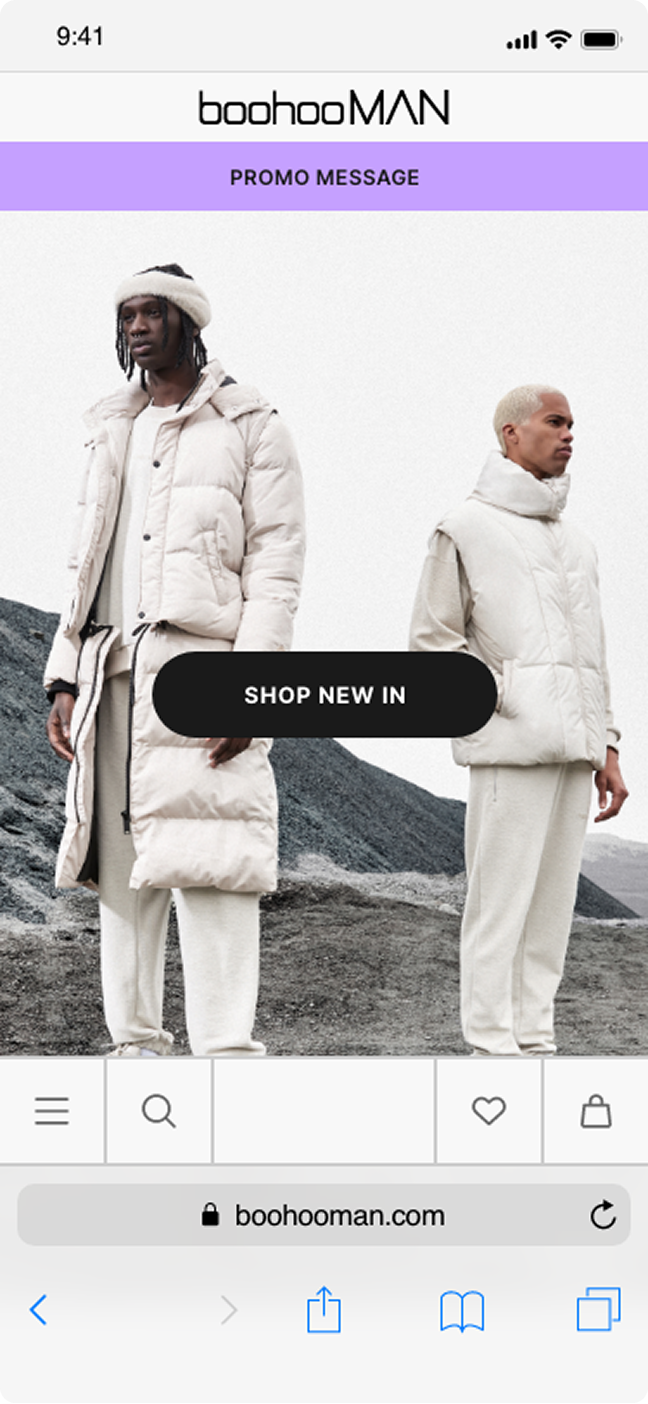
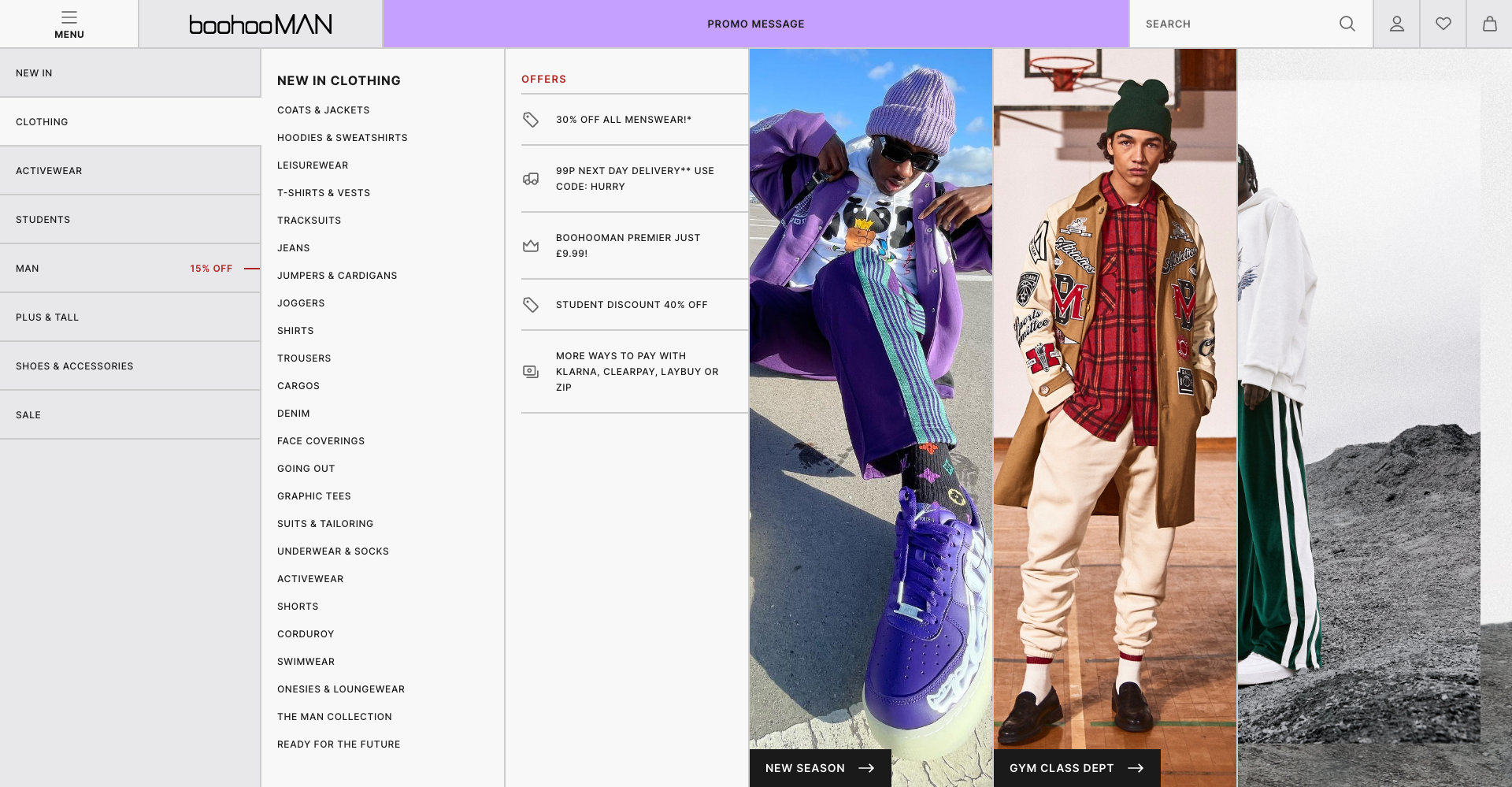
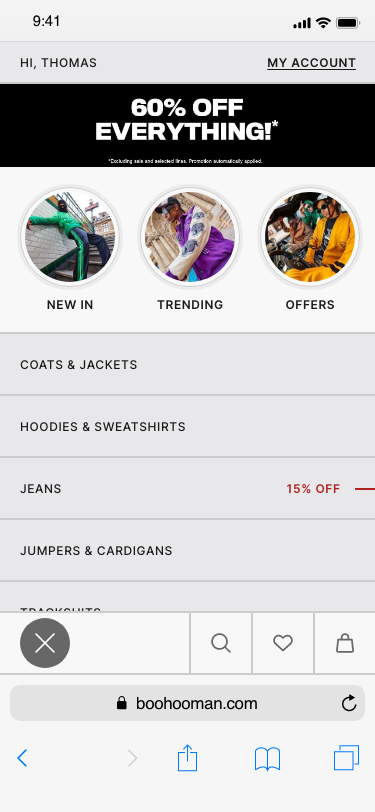
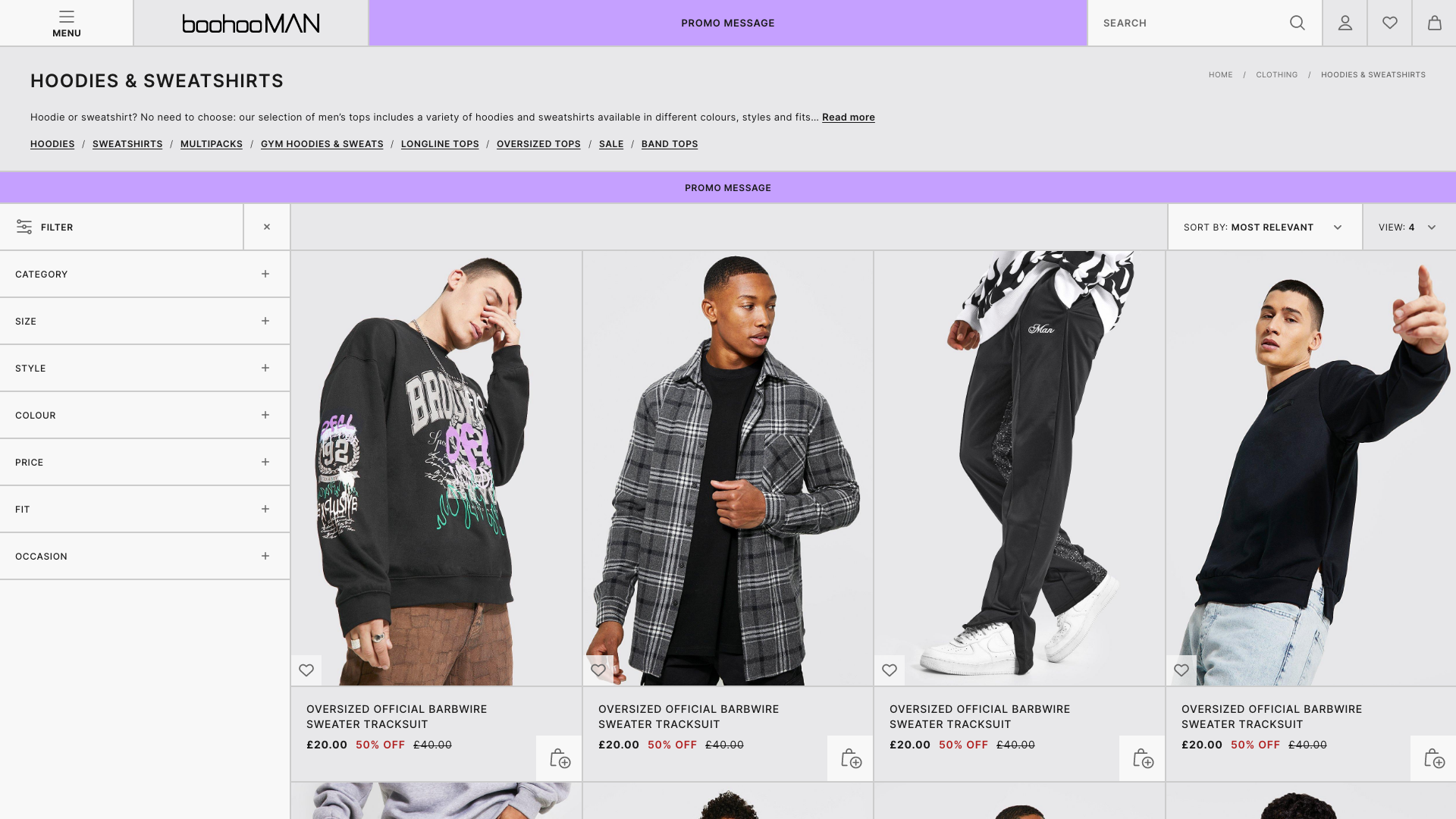
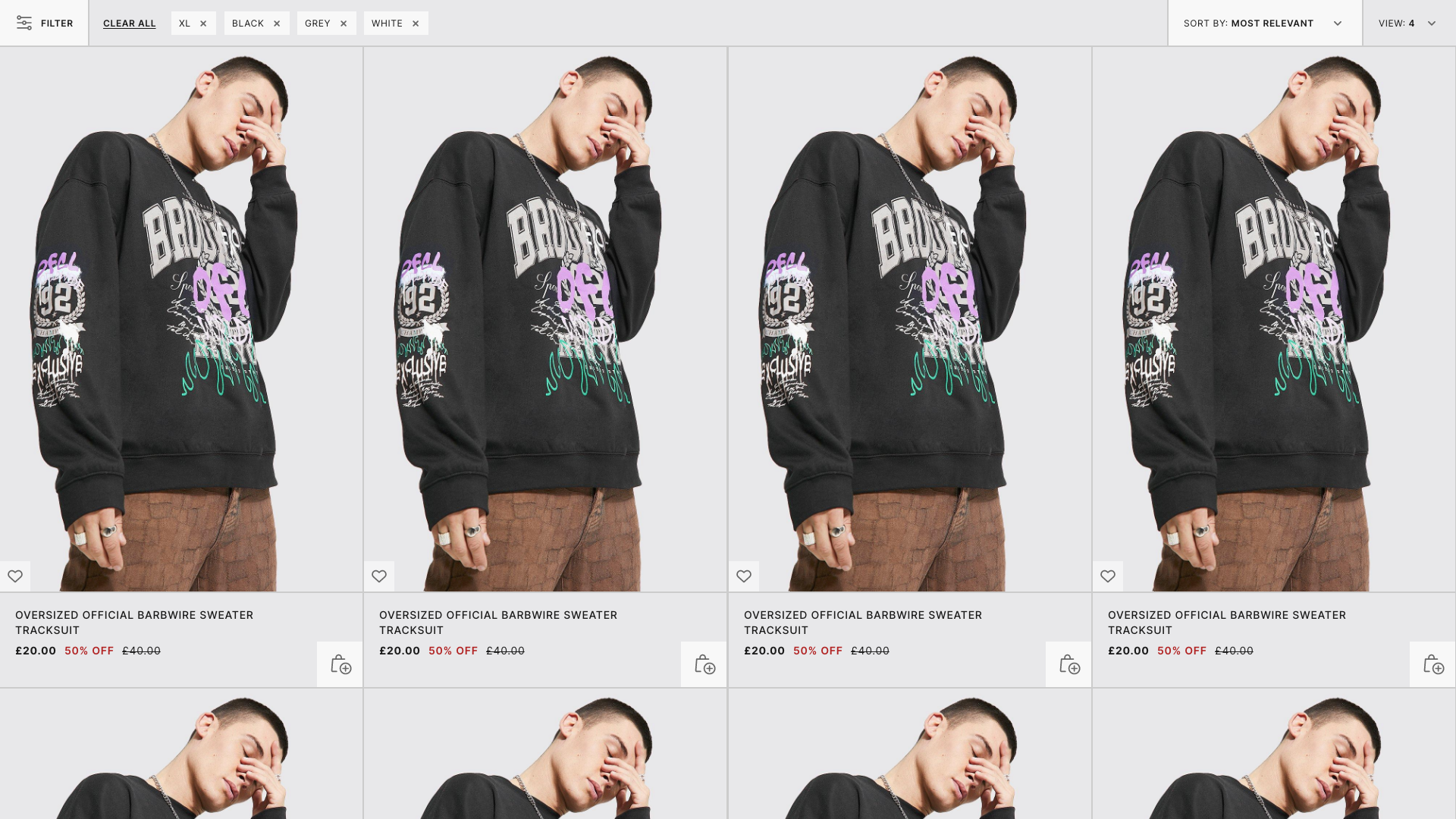
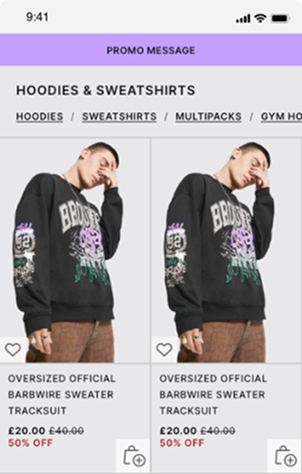
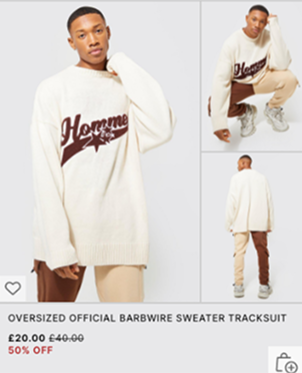
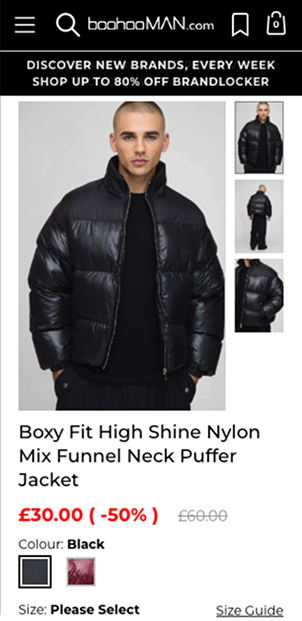
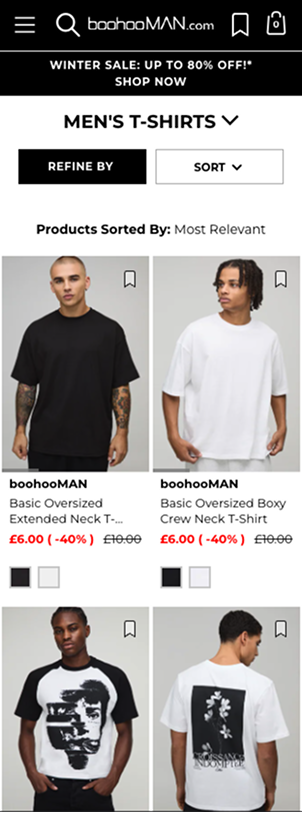
A redesign of the current CMS template site, to transform it to a bespoke brand site. Matching the boohooMAN brand, focusing on the users experience and conversion rate.
Problem statement to solve
“The existing templated site architecture across Boohoo Group brands compromised brand expression and user experience due to over-optimised, piecemeal CRO modifications, resulting in fragmented interfaces and brand-specific issues that could not be effectively resolved within the shared framework. ”
Over time, many of the sites within the Boohoo Group had evolved from a shared e-commerce template that had been repeatedly tested and adjusted by the CRO team. While these optimisations were effective in isolation, the cumulative changes resulted in experiences that felt fragmented and overly engineered. As a result, brand identity and personality were diluted, and individual sites developed unique usability issues that could not be meaningfully resolved within the constraints of the shared framework.
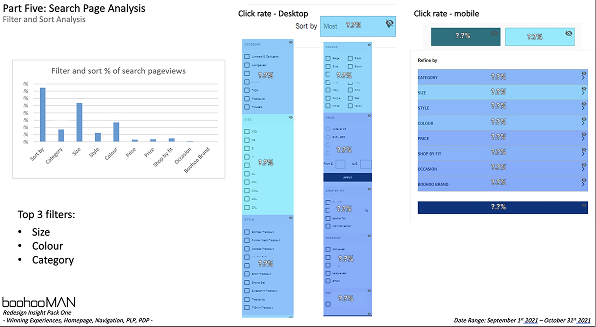
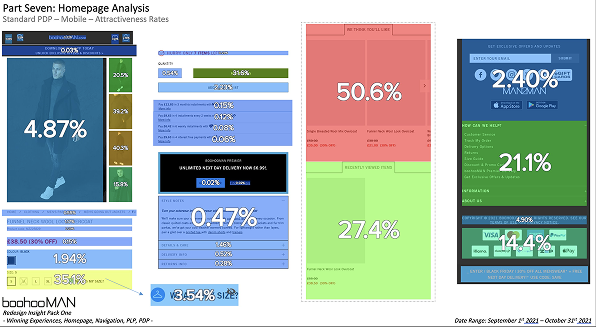
The discovery phase focused on aligning stakeholder goals with data-driven insights to define a clear direction for the redesign. We began with stakeholder interviews across the boohooMAN team, including Ecommerce, Creative, and Trading leadership, to identify priority areas, surface risks, and resolve conflicting perspectives early in the process.
In parallel, we reviewed existing research and performance data from both the boohooMAN site and the recently redesigned Boohoo platform. These findings informed targeted analytics requests, enabling deeper analysis of user behaviour and funnel performance specific to boohooMAN.
90% – Mobile users
5% – Increase in conversion from users that used search
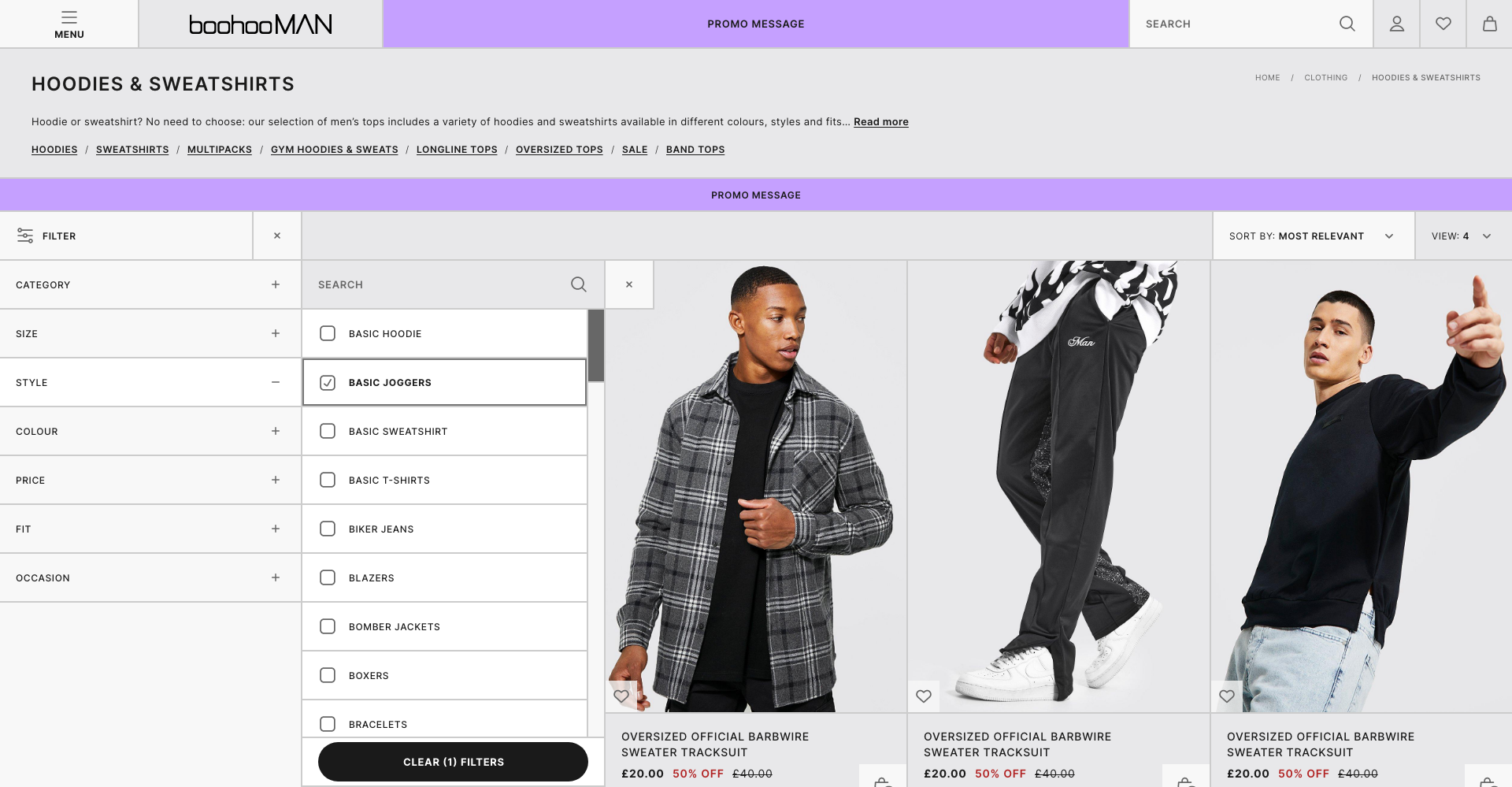
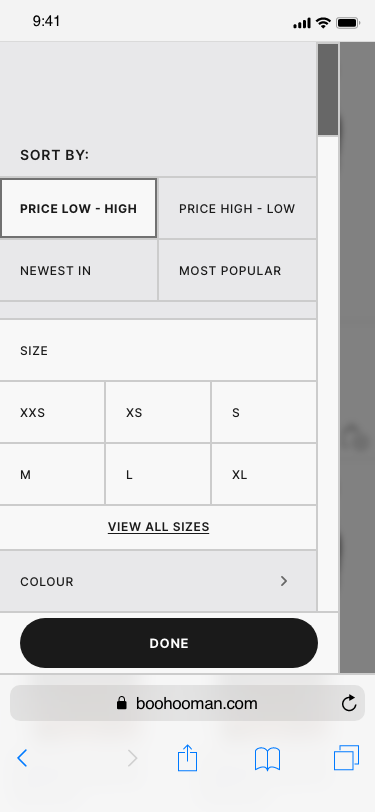
10% – Increase in conversion from PLP users that interacted with filters
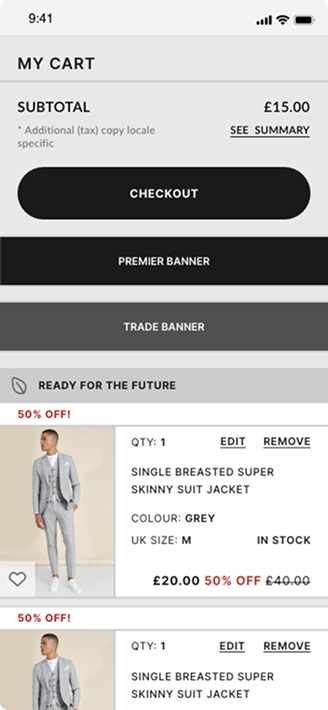
30% – Cart abandonment rate
60% – Checkouts done through the guest feature
0.1% -Of users interacted with the account section of the site
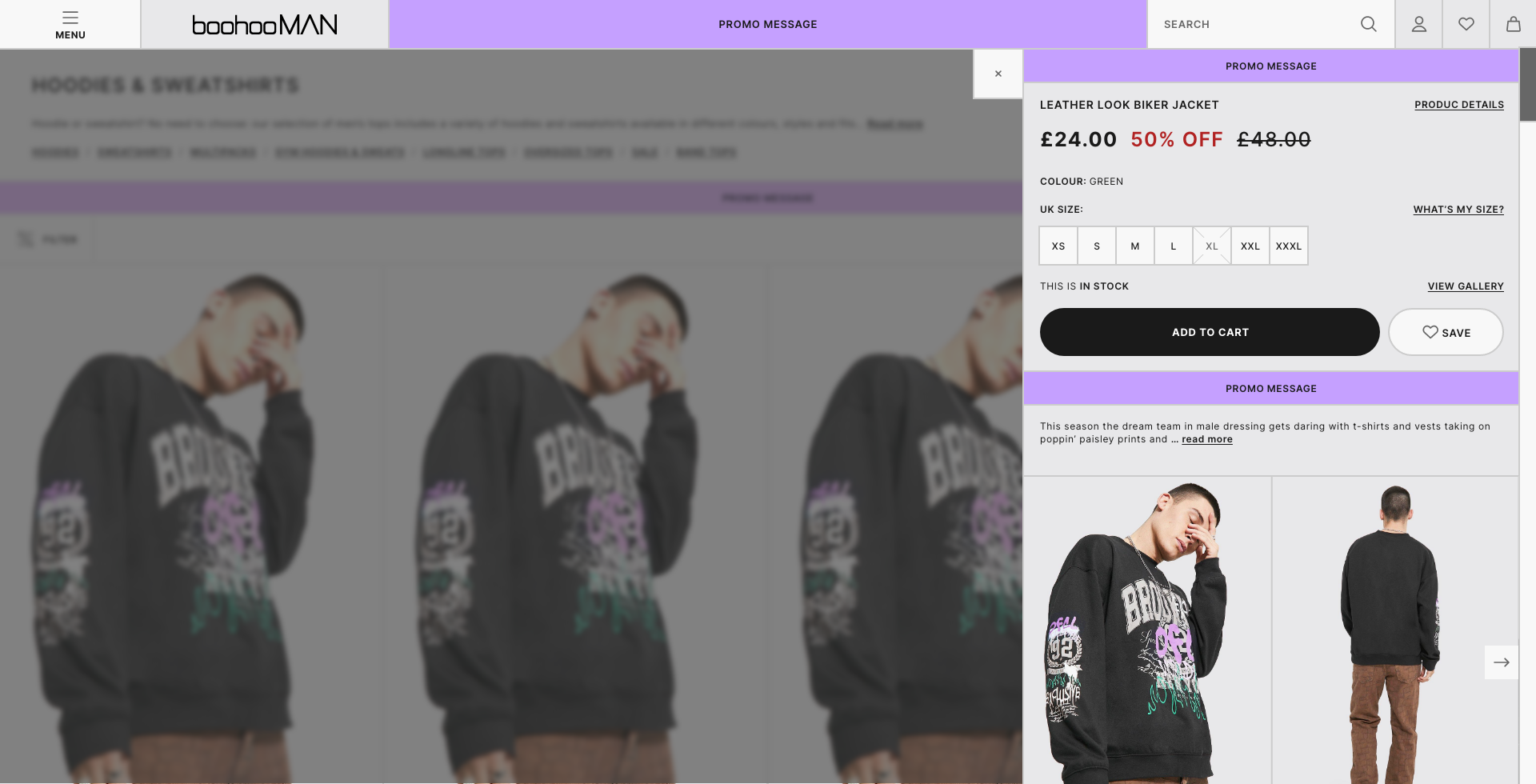
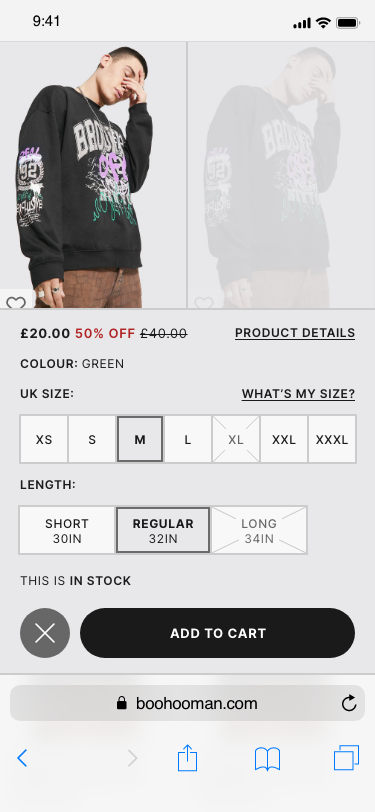
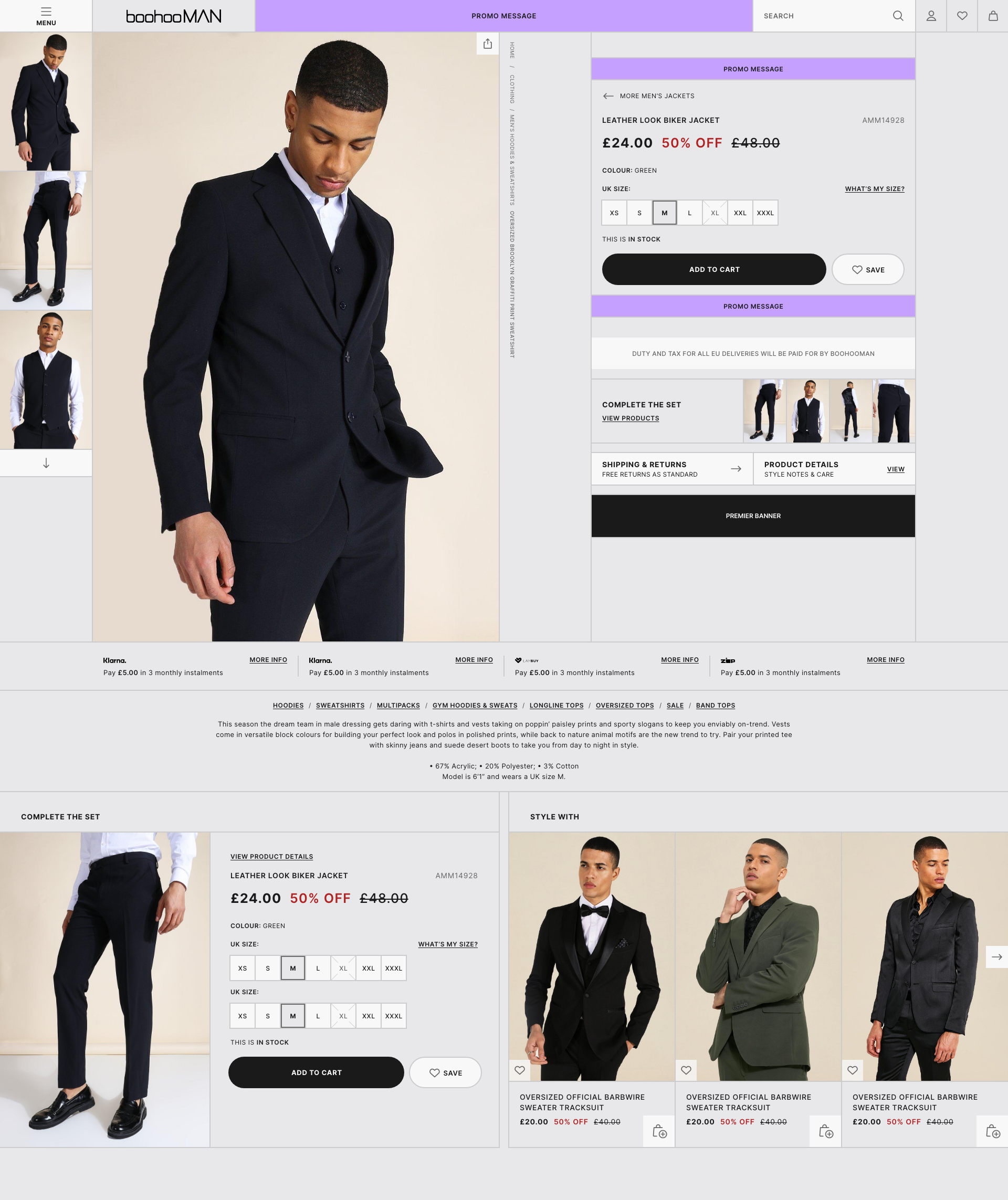
Quick-buy functionality has become a standard expectation in e-commerce, yet it is often underused due to poor execution and its treatment as an afterthought rather than a core interaction.
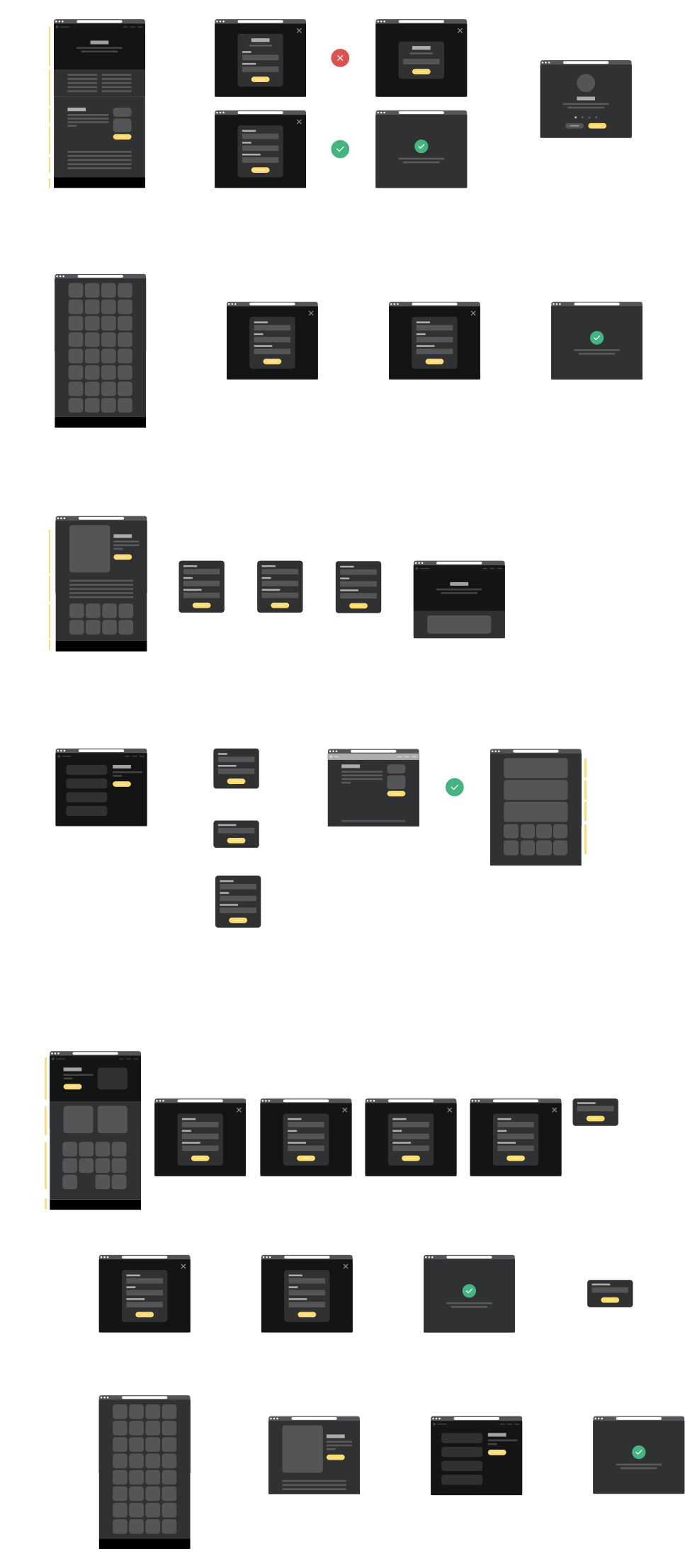
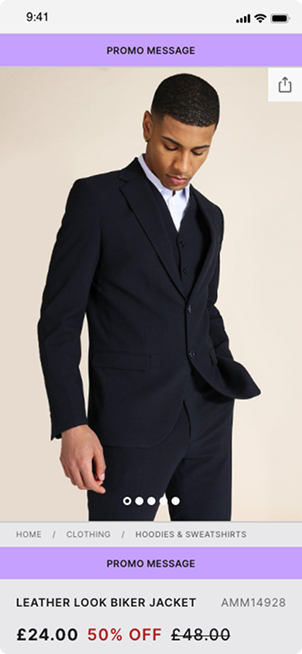
This solution was designed to genuinely reduce effort for users. The quick-buy experience keeps users anchored in their current context, allowing them to dip in and out of the flow without losing their place or progress on the page. By removing the risk of disorientation or interruption, the interaction supports faster decision-making while preserving a sense of control.
Rather than restarting the journey, the quick-buy functionality was intentionally integrated to feel seamless—enhancing the existing browsing experience instead of competing with it.
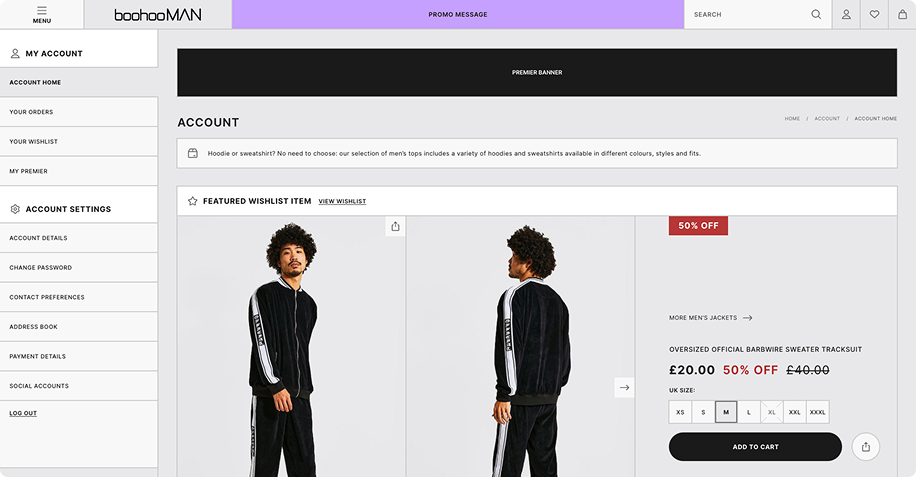
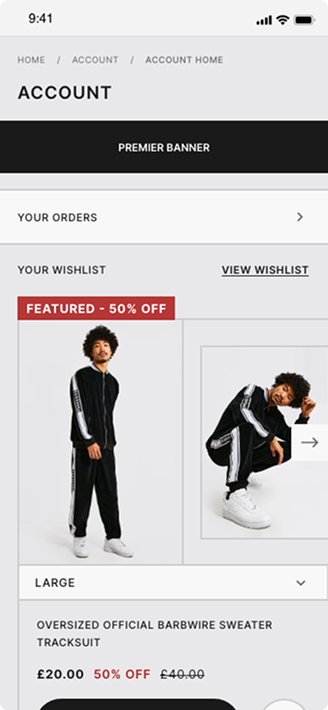
By reframing the account page as both a task-completion and value-discovery space, the design aimed to improve the overall user journey while increasing conversion from high-intent wishlist items.
Most sites approach upselling by stacking generic product recommendations at the bottom of the page, often with little relevance to user intent. This redesign reframed upselling as a discovery tool rather than a sales tactic.
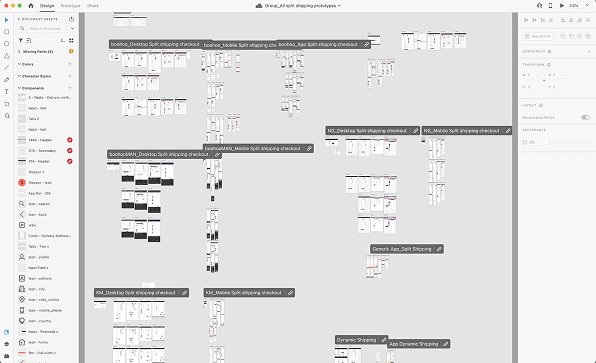
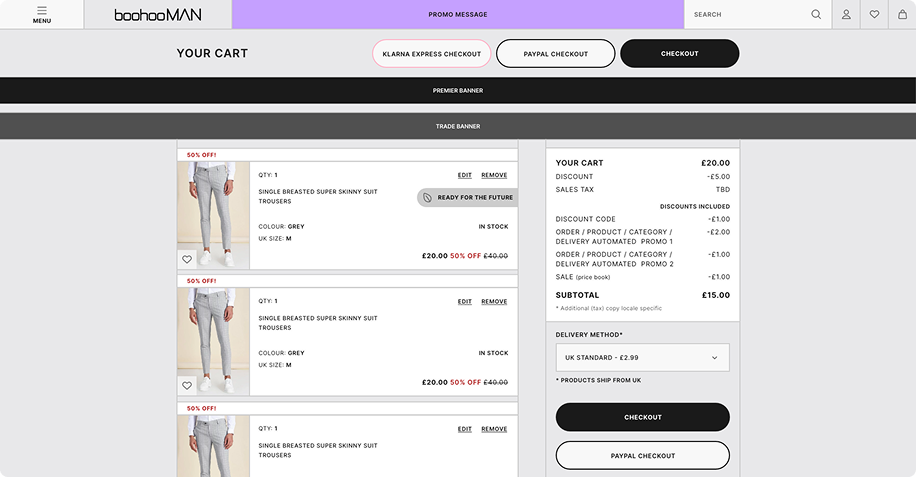
While the complete redesign has not gone live, elements developed as part of this project have already delivered measurable impact elsewhere within the group. The redesigned checkout experience, originally implemented on boohooMAN in late 2021, resulted in an 8% increase in conversion rate and a 20% reduction in drop-off, validating the design principles and user-led decisions applied throughout this work.